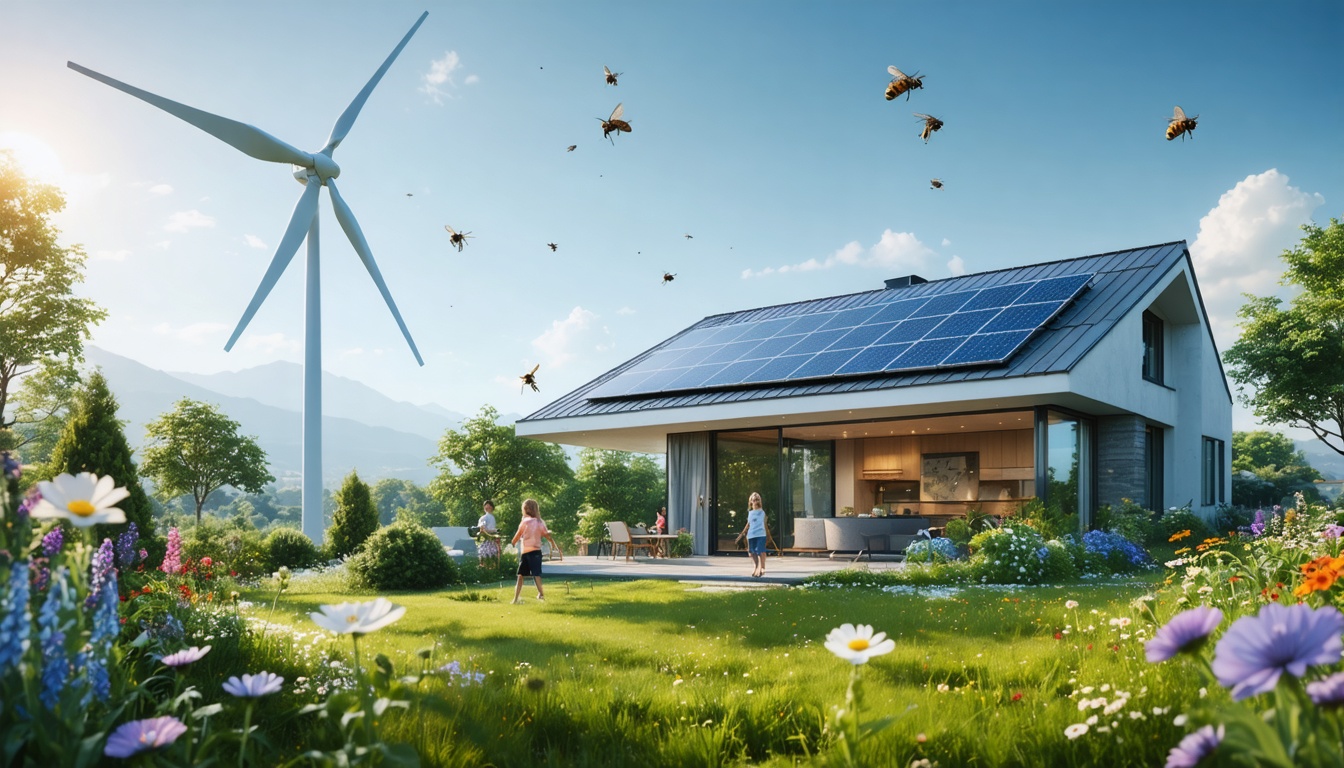
The Environmental Benefits of Choosing Renewable Energy at Home
Selecting renewable energy sources for home use can lead to significant environmental benefits. By transitioning from fossil fuels to renewable options such as solar or wind power, households can contribute to a reduction in greenhouse gas emissions. This shift is associated with a decrease in air pollutants, which can improve air quality and, subsequently, public health outcomes. Moreover, utilizing renewable energy can influence local economies and community resilience. For instance, investing in solar panels or supporting wind energy initiatives may create jobs in the renewable energy sector and stimulate local economies. Additionally, as more households adopt renewable energy, there is potential for a decreasing reliance on fossil fuel infrastructure, which could contribute to a more sustainable energy future for communities. Ultimately, decisions made at the household level about energy consumption can have broader implications for environmental sustainability and community development.
What is Renewable Energy and How Does It Work
Renewable energy is obtained from natural resources such as sunlight, wind, water, and organic materials that are inherently replenished and are not subject to depletion over time. In residential applications, common renewable energy technologies include solar panels, wind turbines, and heat pumps. These systems utilize renewable resources to produce electricity and to provide heating solutions.
Transitioning to renewable energy sources is associated with a reduction in carbon emissions, which often results in lower levels of greenhouse gases and air pollutants. This shift is critical for various entities, including cities and nations, as they work towards achieving Net Zero objectives.
Implementing cleaner energy technologies and developing efficient supply chains can facilitate job creation, improve air quality, and decrease carbon dioxide emissions, contributing to the broader effort to combat climate change.
In summary, the incorporation of renewable energy into the energy framework indicates a deliberate strategy aimed at decreasing environmental impact, while also promoting economic development.
Major Types of Renewable Energy Sources for Homes
There are several renewable energy sources that can be utilized to power residential homes, aiming to reduce environmental impact. Solar panels convert sunlight into electricity and heat, providing a sustainable means of energy generation that can support a Net Zero energy consumption model. For residents in Springfield, exploring Solar Solutions for Springfield Homes can further enhance these benefits by addressing local energy needs.
Wind turbines and small-scale hydropower systems present alternative solutions to fossil fuels, which can lead to decreased air pollution and reduced reliance on non-renewable energy sources.
Biomass energy, derived from organic materials, has the potential to bolster local economies through job creation in resource production and management. Furthermore, geothermal heat pumps offer an energy-efficient approach to heating residential spaces, with the benefit of low greenhouse gas emissions.
The transition to renewable energy sources is important for decreasing carbon emissions and improving air quality. These efforts align with broader climate objectives set by governmental agencies in the United States, promoting sustainable energy practices and reflecting an increasing recognition of the importance of environmentally responsible energy solutions.
Reduction in Greenhouse Gas Emissions
Fossil fuels have been the dominant energy source for residential use, but transitioning to renewable energy sources, such as solar and wind power, can help reduce greenhouse gas emissions resulting from home energy consumption.
The installation of solar panels, heat pumps, or wind turbines enables the generation of cleaner electricity and heat, which contributes to lower emissions of carbon dioxide and other greenhouse gases.
Renewable energy sources generally produce little to no greenhouse gas emissions per unit of energy generated, unlike conventional fossil fuels used in power plants.
This transition to low-carbon energy is important for municipalities that are working to meet local, national, and global goals regarding Net Zero emissions.
Implementing renewable energy technologies has implications beyond emission reductions. It can create jobs and enhance economic sustainability.
The move towards cleaner energy sources is a practical strategy for addressing environmental issues while also supporting economic development.
Improved Air and Water Quality
Transitioning from fossil fuels to clean energy sources for residential energy needs has clear implications for air and water quality. Renewable energy generation methods such as solar panels, wind turbines, and heat pumps produce significantly lower levels of greenhouse gases compared to conventional fossil fuel power plants, resulting in a measurable reduction in carbon dioxide emissions. This reduction can lead to improved air quality, particularly in densely populated urban areas where levels of air pollution are typically higher.
Moreover, the shift towards sustainable energy production contributes to the protection of natural resources and the maintenance of water quality. The extraction and consumption of fossil fuels are frequently associated with water contamination and resource depletion. In contrast, renewable energy technologies generally require less water during their operation, which can alleviate some pressure on water resources.
Adopting cleaner fuel sources is also a critical component of the effort to achieve a net-zero economy. By implementing sustainable practices at the individual household level, individuals can facilitate significant environmental benefits, including reduced air pollution and a lessened impact on climate change.
Overall, the transition to clean energy solutions represents a pragmatic approach to improving air and water quality in our communities.
Positive Impacts on Public Health
The shift towards clean energy sources presents notable benefits for public health that extend beyond environmental impacts. Transitioning residential energy systems to renewable options such as heat pumps, solar panels, electric vehicles, and wind turbines is associated with a reduction in carbon emissions and air pollutants. According to the World Health Organization, poor air quality is linked to approximately 7 million premature deaths worldwide each year.
Renewable energy technologies generally rely on cleaner, more sustainable resources and produce significantly lower or zero greenhouse gas emissions compared to conventional fossil fuels. This transition results in lower concentrations of carbon dioxide and other detrimental pollutants, which can enhance air quality and alleviate some of the adverse effects of climate change.
The public health benefits arising from cleaner energy systems may also yield economic advantages for communities in the United States and globally. By improving air quality and decreasing the health risks linked to pollution, the adoption of renewable energy can potentially lead to better health outcomes for populations, thereby contributing to overall community well-being.
Enhancing Energy Security and Independence
Transitioning to renewable energy solutions at the household level can enhance energy security and decrease dependence on fossil fuel markets, which are often subject to instability. The installation of solar panels and heat pumps allows homeowners to generate their own electricity and heating, thereby reducing their vulnerability to supply chain disruptions and price fluctuations linked to fossil fuels.
By generating their own electricity from renewable sources such as solar or wind power, households can lower the demand for power from fossil fuel-driven power plants. This shift has been noted in various regions, including the United States, and contributes to reductions in greenhouse gas emissions, improved air quality, and a decrease in overall carbon dioxide emissions.
Implementing renewable energy technologies at the household level not only contributes to a more resilient energy economy but also aligns with global objectives aimed at achieving net-zero emissions.
Such measures support significant shifts in energy consumption patterns and can help mitigate environmental impacts, thereby fostering a more sustainable future.
Economic Advantages of Switching to Clean Energy
Transitioning to clean energy for residential use offers both economic and environmental advantages. A key benefit is the potential for lower annual energy costs, mainly due to the decreasing prices of renewable energy technologies such as solar panels, heat pumps, and wind turbines. In the United States, the cost of generating electricity from these renewable sources has generally become more competitive compared to traditional fossil fuels.
Federal tax credits are available for households investing in technologies aimed at achieving Net Zero emissions, including electric vehicles and energy-efficient appliances. These incentives can help mitigate some of the initial investment costs associated with adopting clean energy solutions.
Additionally, the adoption of renewable energy sources can stimulate local economies by creating jobs in installation, maintenance, and manufacturing sectors.
Moreover, transitioning to cleaner energy sources contributes to improved air quality and a reduction in carbon dioxide emissions, which are significant contributors to climate change. This dual impact reinforces the economic rationale for investing in clean energy technologies.
In conclusion, transitioning to clean energy can be a financially sound choice that aligns with both economic goals and environmental stewardship.
Job Creation in the Renewable Energy Sector
Job creation is a fundamental aspect of the transition to renewable energy. Implementing cleaner energy solutions at the household level can lead to decreased carbon emissions and reduced air pollution, particularly in urban environments.
Studies indicate that the United States and several other countries have found that investments in renewable energy sources—such as solar power, wind energy, heat pumps, and electric vehicles—generate nearly three times as many new jobs per dollar invested compared to fossil fuel projects.
The aim of achieving Net Zero emissions is interconnected with economic growth, as the increase in renewable electricity generation creates opportunities for sustainable financing. This transformation is contingent upon leveraging natural resources and advancing towards energy sources that have minimal to no net greenhouse gas emissions.
Furthermore, the expansion of the renewable energy sector is integral to developing supply chains and enhancing workforce training programs, which collectively contribute to better air quality and support broader climate action strategies.
Challenges Associated with Renewable Energy Adoption
The potential environmental advantages of renewable energy have been extensively documented, yet homeowners often face several considerable challenges when contemplating its adoption. One significant barrier is the high initial cost associated with technologies such as solar panels, wind turbines, and heat pumps. This up-front expenditure can deter individuals from making the switch to more sustainable energy options.
Another critical issue is the intermittent nature of renewable energy sources, which necessitates investment in effective energy storage solutions for households aiming for Net Zero energy consumption. This requirement can further complicate the transition to renewable energy, as suitable storage options may not be readily available or may entail additional costs.
Geographical factors also significantly impact the viability of specific renewable energy technologies. The effectiveness of solar and wind power, for example, can vary considerably based on location and existing infrastructure. In urban areas and certain regions in the United States, the current infrastructure may not effectively support the broad adoption of renewable energy systems, creating further difficulties for homeowners.
Moreover, regulatory challenges and supply chain issues can hinder the advancement of renewable energy solutions. Access to financial incentives such as tax credits can significantly alleviate costs; however, this access is often limited or subject to frequent changes, creating additional complexity for prospective adopters.
While renewable energy sources are generally associated with lower carbon emissions and reduced air pollution, it is worth noting that certain types of biomass fuels may still release greenhouse gases, underscoring the complex nature of sustainability in energy production.
Conclusion
Choosing renewable energy for residential use contributes to a cleaner environment, improved public health, and enhanced energy independence. By utilizing renewable energy sources, such as solar or wind power, households can significantly reduce their carbon emissions, which are a leading contributor to climate change. This transition not only benefits the individual homeowner through potential cost savings on energy bills, but it also supports local economies by creating jobs in the renewable energy sector. The reduction of fossil fuel consumption at the household level has broader implications for community health, as decreased air pollution can lead to lower rates of respiratory illnesses and other health issues. Furthermore, reliance on renewable energy can enhance energy security by reducing dependence on imported fuels and fossil fuel markets, which can be volatile. Despite certain challenges, such as the initial costs of transitioning to renewable systems or the intermittent nature of some technologies, the overall benefits tend to outweigh these disadvantages. For instance, advancements in battery storage technology are making it increasingly feasible for homeowners to manage energy supply and demand effectively. By opting for renewable energy, individuals are making a significant contribution towards a more sustainable and resilient energy system, emphasizing the importance of individual choices in the collective effort to address climate change.